
Nature.
Science.
Transformation.
High-purity Tabernanthe iboga root bark and alkaloid extracts — produced to pharmaceutical standards, sourced under CITES-compliant harvest protocols in Cameroon, and independently verified by accredited European laboratories.
What is Tabernanthe iboga?
Tabernanthe iboga is a perennial shrub of the family Apocynaceae, native to the humid equatorial rainforests of Central and West Africa — principally Gabon, Cameroon and the Democratic Republic of Congo. The plant grows to between one and three metres in height, producing dark elliptical leaves, pale tubular flowers and distinctive small orange drupes. Its most pharmacologically significant component is the root bark, which accumulates a rich matrix of indole alkaloids over the course of the plant's multi-year growth cycle.
The primary psychoactive alkaloid, ibogaine, is accompanied by noribogaine, tabernanthine, ibogamine and more than twelve minor alkaloids. This complex gives Tabernanthe iboga a unique pharmacological fingerprint that has attracted sustained attention from neurologists, addiction researchers and ethnobotanists alike. Unlike most plant-derived compounds, the iboga alkaloid ensemble acts on multiple receptor systems simultaneously — including opioid, serotonin and NMDA pathways — producing effects that are profoundly different from both classical psychedelics and conventional pharmacological agents.
Iboga is listed under CITES Appendix II, reflecting international recognition of its ecological and cultural significance. Responsible stewardship of wild populations — through sustainable harvest protocols and mandatory replanting — is a condition of our entire supply chain.
The Bwiti Tradition &
the Sacred Plant of Gabon
For centuries, Tabernanthe iboga has occupied the spiritual centre of Bwiti culture — one of Central Africa's oldest living animist traditions.
Ancient Roots
The Bwiti tradition of the Fang and Mitsogo peoples of Gabon has incorporated Iboga into initiation ceremonies, healing rituals and rites of passage for at least five hundred years. Known as Eboga in Gabonese culture, the plant is revered as a living link to ancestral spirits and a vehicle for profound self-knowledge.
Ceremonial Use
In traditional Bwiti initiation ceremonies — which can last several days — participants consume Iboga root bark under the guidance of a trained Nganga (spiritual leader). The experience is understood to facilitate contact with ancestral wisdom, enable psychological healing and mark the passage from one stage of life to another.
Western Discovery
Ibogaine was first isolated from Tabernanthe iboga in 1901 by French and Belgian chemists. In the 1960s, American researcher Howard Lotsof discovered its potential for interrupting opioid withdrawal — sparking decades of clinical investigation. Today, Phase II trials are underway at leading European and North American research centres.
Legal & Regulatory Landscape
The legal status of ibogaine varies significantly across jurisdictions. In several European countries — including the Netherlands and Portugal — ibogaine-assisted therapy operates in legal frameworks that permit clinical research. We supply exclusively to licensed practitioners, researchers and harm-reduction professionals operating within applicable regulations.
The Alkaloid Science of Iboga
Ibogaine and its congeners act on a uniquely broad array of receptor systems, producing a pharmacological profile unlike any other known compound.
Neurological Mechanisms
Ibogaine acts as an NMDA antagonist, a sigma-2 receptor agonist and a weak kappa-opioid agonist. It inhibits the reuptake of dopamine, serotonin and noradrenaline while also modulating the acetylcholine system. This multi-target profile is believed to underlie its capacity to reset addictive neural circuits.
Addiction Research
Multiple peer-reviewed studies demonstrate ibogaine's capacity to significantly reduce opioid withdrawal symptoms and drug craving for periods of weeks to months following a single administration. Ongoing trials are assessing efficacy for alcohol, cocaine and methamphetamine dependence alongside opioid use disorder.
Emerging Applications
Beyond addiction medicine, researchers are investigating ibogaine for treatment-resistant depression, PTSD and neurological repair. A landmark 2023 Stanford trial reported significant improvements in PTSD and depression symptoms in veterans, alongside measurable increases in neuroplasticity markers.
Noribogaine — The Active Metabolite
Ibogaine is rapidly metabolised to noribogaine, which has a significantly longer half-life and is believed responsible for the sustained anti-craving effects observed in clinical settings. Understanding this metabolite relationship has become a primary focus of contemporary ibogaine pharmacology research.
Analytical Standards
Accurate characterisation of iboga alkaloid profiles requires HPLC-DAD (high-performance liquid chromatography with diode-array detection) to quantify ibogaine alongside noribogaine, tabernanthine, ibogamine and minor congeners. Our products are accompanied by full CoAs from ISO 17025-accredited laboratories.
Sustainability Science
Sustained demand has placed pressure on wild Tabernanthe iboga populations. Research into sustainable cultivation, propagation techniques and alkaloid-equivalent alternatives is ongoing. Our supply chain incorporates mandatory replanting agreements verified by independent environmental audit.
Pharmaceutical-Grade Iboga Products
Three precisely formulated products — from a standardised alkaloid extract to finely powdered root bark — each independently verified and CITES documented.
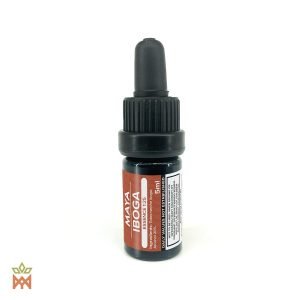
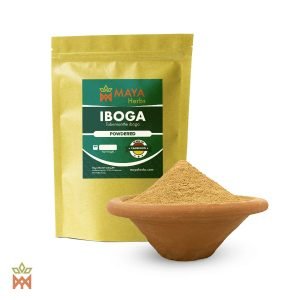
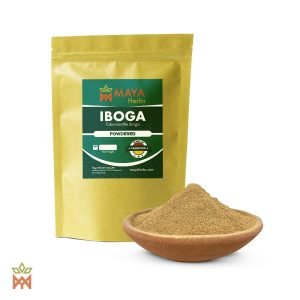
Pharmaceutical Rigour.
Every Batch.
Every product undergoes a six-stage quality pipeline — from botanical identity verification through independent HPLC analysis, heavy metals screening, microbial testing and final Certificate of Analysis issuance — before release.
-
Independent HPLC Analysis
Alkaloid concentration and identity verified by ISO 17025-accredited third-party laboratories on every batch.
-
Traceable & CITES-Compliant Sourcing
Full chain-of-custody from Cameroon harvest site to your door. CITES Appendix II documentation on every shipment.
-
Heavy Metals & Microbial Screening
ICP-MS analysis for lead, mercury, cadmium and arsenic. Full microbial screening per European Pharmacopoeia criteria.
ISO 9001:2015
Certified quality management system
HPLC Certified
Purity ≥98% verified by chromatography
CITES Compliant
Full Appendix II documentation on every order
GMP Standards
Good Manufacturing Practice throughout
What Our Clients Say
Researchers, therapists and practitioners across Europe trust Iboga Culture.
"The purity and consistency of the extracts are exceptional. As a researcher, we need reliable reference material — Iboga Culture delivers every time."
"I have been working with plant ceremonies for over a decade. This is the most meticulously sourced Iboga material I have worked with. Impeccable quality."
"The alkaloid concentration is remarkably consistent batch to batch. The only European supplier that meets our clinical documentation requirements."
Ready to Order?
All products are in stock and ship discreetly across Europe. Analytical reports and CITES documentation available on request.